Understanding Half Bathroom Size
A half bathroom, often called a powder room or guest bath, is one of the most practical additions to a home. It typically includes a toilet and a sink but omits a shower or bathtub. Because of its limited fixtures, the half bathroom size can be compact yet comfortable when designed properly. Homeowners and designers alike pay close attention to dimensions and layout to ensure a balance between functionality and aesthetics.
The size of a half bathroom varies depending on the available space and design goals. There is no single fixed measurement, but there are industry standards that ensure usability and compliance with building codes.
Standard Dimensions for a Half Bathroom
The average half bathroom size ranges between 18 to 32 square feet. The most common compact configuration measures approximately 3 feet by 6 feet. This size allows adequate space for a toilet, a small sink, and enough clearance for comfortable use. However, if space permits, expanding the size to 4 feet by 8 feet or even larger enhances usability and design flexibility.
- Minimum size: 3 feet by 6 feet (about 18 square feet)
- Comfortable average size: 4 feet by 8 feet (about 32 square feet)
- Generous layout: 5 feet by 9 feet or larger for high-end homes
These dimensions provide enough room to comply with standard building codes, allowing for sufficient clearance around fixtures. The most critical factor in a half bathroom design isn’t just square footage but the arrangement of fixtures to maximize spatial efficiency.
Building Code Requirements and Clearances
Whether you’re remodeling or installing a new powder room, understanding building code requirements ensures safety and comfort. Typical codes require minimum clearances, such as:
- At least 15 inches from the toilet’s centerline to any side wall or obstruction
- A minimum of 21 inches of front clearance for the toilet and sink
- A ceiling height of no less than 7 feet for full comfort and ventilation
These minimums are essential to prevent cramped spaces and maintain accessibility. Builders also consider door swing direction carefully, ensuring doors do not impede movement or fixture access.
Half Bathroom Layout Styles
The half bathroom size influences layout decisions. Depending on shape and proportion, several common layouts work well for different homes:
1. Rectangular Layout
This is the most common configuration. The toilet and sink are positioned along one wall or on opposite walls to use narrow spaces efficiently. Rectangular layouts suit hallways or under-stair areas where space is limited.
2. Square Layout
A square half bath provides more flexibility, allowing designers to experiment with positioning. It often feels balanced, and homeowners can opt for decorative focal points like a stylish mirror or statement wall.
3. Corner Layout
Corner toilets and sinks save precious inches in a tight area. A corner-oriented design is ideal for homes that need an ultra-small powder room without compromising function.
4. Long Narrow Layout
In older homes or narrow corridors, long and thin layouts work well. The toilet is often placed at the far end, with the sink near the entrance. A well-thought-out lighting plan ensures that such spaces don’t feel claustrophobic.
Space Optimization Techniques
Since half bathrooms are small, smart space-saving solutions can make a dramatic difference. The goal is to enhance usability while maintaining style.
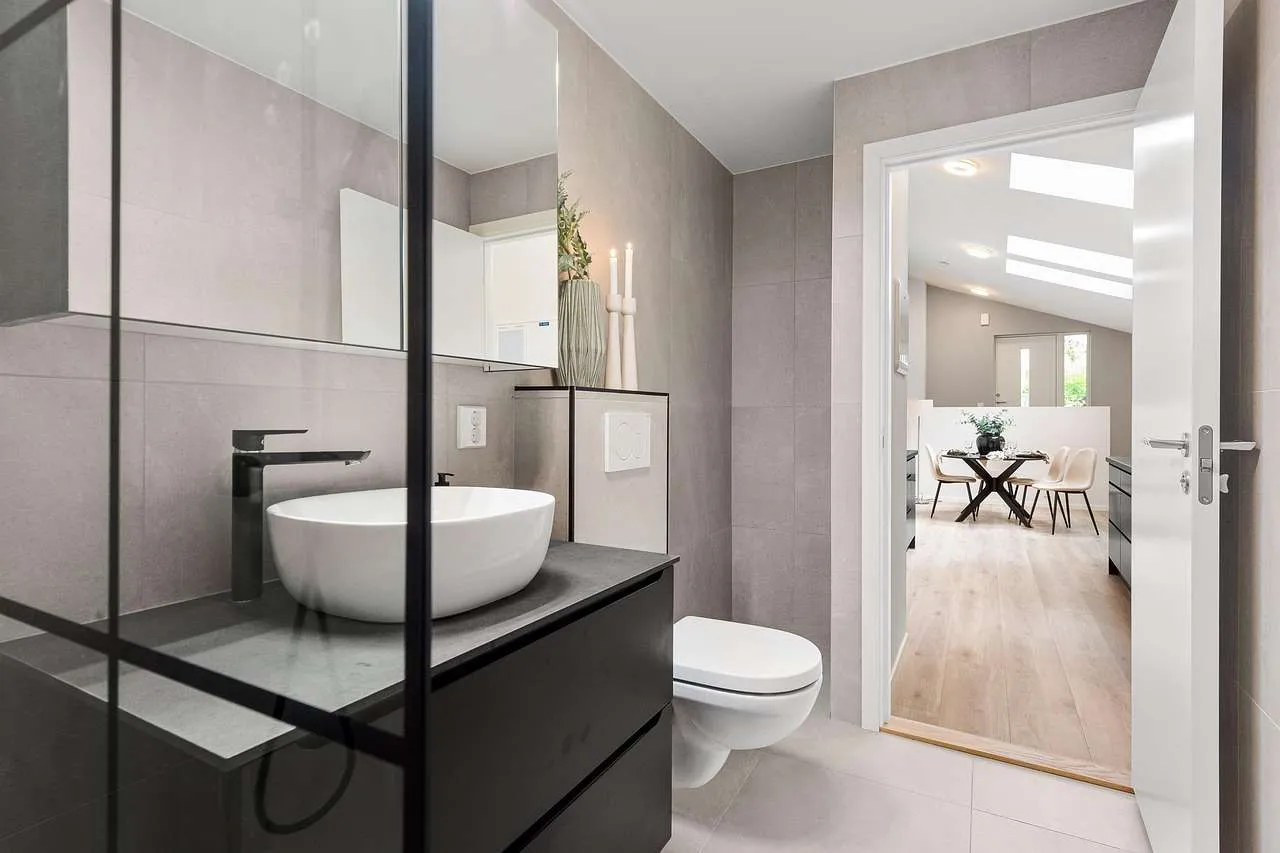
- Wall-mounted fixtures: Floating sinks and vanities create open floor space, giving the illusion of a larger room.
- Compact toilets: Slim-profile designs and wall-mounted toilets minimize depth without sacrificing comfort.
- Mirrors and lighting: Large mirrors and strategic lighting amplify brightness and make the space appear bigger.
- Recessed storage: Built-in shelves or niches in walls hold essentials without consuming extra space.
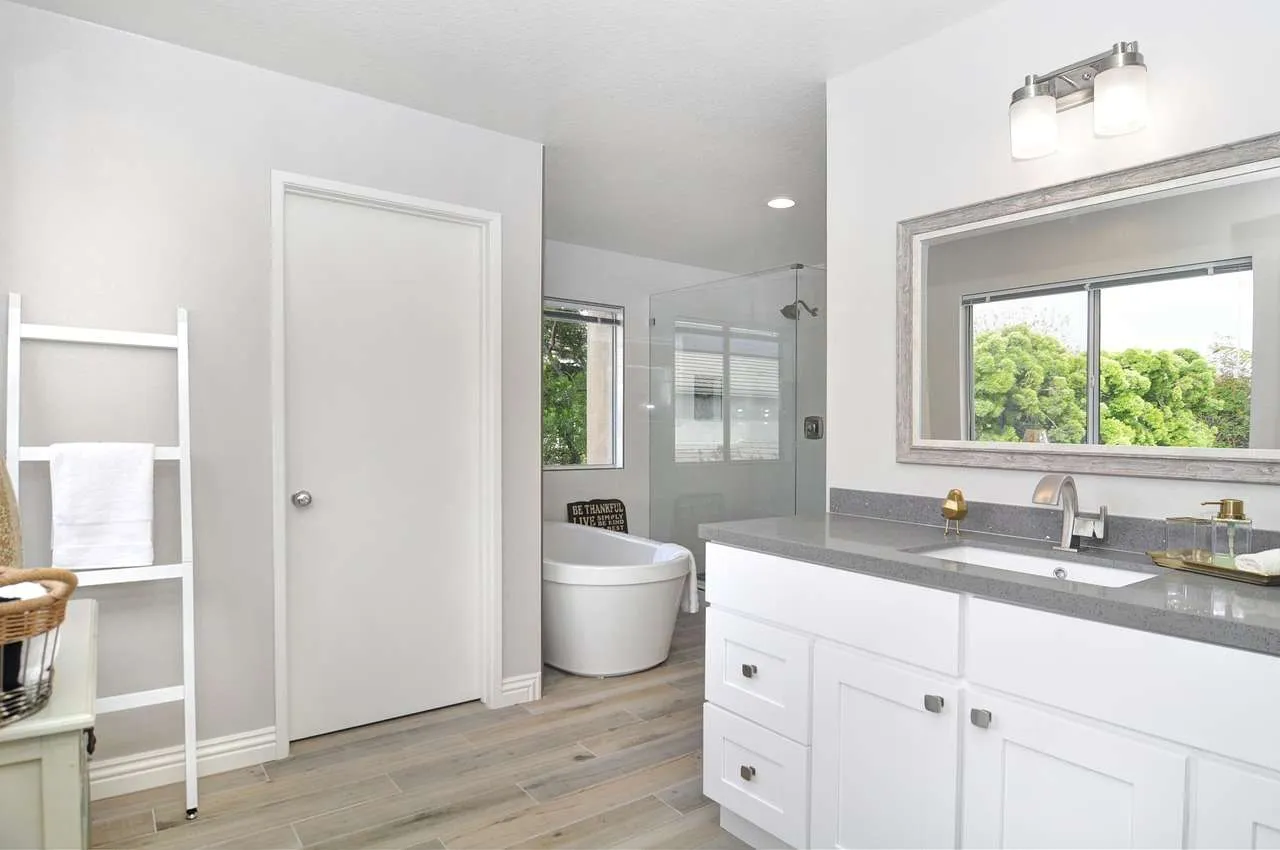
- Light color palette: Whites, creams, and light grays make small interiors visually spacious.
Careful attention to these details transforms even a 3×6-foot half bath into a functional, beautiful space.
Choosing Fixtures for a Half Bathroom
Every inch counts when selecting fixtures. Opting for compact and stylish components can help maintain ease of movement and comfort.
Sink Options
Pedestal sinks, wall-mounted basins, and corner sinks are popular choices. These options provide essential function without bulky cabinetry. Vessel sinks can add an artistic element but may need careful positioning to avoid crowding.
Toilet Selection
Round-front toilets save more space than elongated models. For modern designs, concealed-tank or wall-hung toilets free floor area and streamline appearance.
Storage Solutions
Since full-sized vanities are often impractical in small rooms, homeowners use recessed shelves, narrow cabinetry, or floating open shelves for toiletries and décor.
Lighting and Ventilation Considerations
Proper lighting and ventilation are crucial for small environments. Without them, a half bathroom might feel confined. Use layered lighting—a combination of overhead fixtures and wall sconces—to distribute brightness evenly. LED recessed lights are efficient and blend seamlessly with minimalist themes.
Ventilation prevents moisture buildup and odor. Even though half bathrooms typically lack bathing fixtures, installing a small exhaust fan or ensuring window ventilation keeps air fresh.
Flooring and Wall Finishes
Durable and moisture-resistant materials are ideal for half bathroom floors. Ceramic tile, porcelain, or luxury vinyl tile offer resilience and style. These materials handle frequent cleaning and occasional splashes well.
Flooring Tips
- Choose lighter tones to open the space visually.
- Consider large-format tiles to minimize grout lines.
- Non-slip finishes enhance safety.
Wall Design Strategies
Wall color and texture define the powder room’s aesthetics. Wallpaper with subtle patterns or paint with glossy finishes reflect light beautifully. Designers often experiment with accent walls behind mirrors or sinks to add visual interest.
Accessibility in a Half Bathroom
Even small spaces should remain accessible. Following ADA guidelines can make a half bathroom usable for all family members and guests. Consider wider doors (at least 32 inches), lever-style handles, and sufficient clearance space around fixtures for wheelchairs when feasible. Accessibility doesn’t necessarily mean extra size—it means intelligent design.
Half Bathroom Remodeling Tips
Remodeling an existing half bath requires balancing budget and design goals. Here’s how homeowners can approach the process effectively:
- Assess existing layout: Determine if current plumbing positions allow changes without high costs.
- Plan vertical storage: Use wall height to your advantage with shelving above the toilet or sink.
- Optimize door swing: Pocket or barn-style doors save space compared to traditional hinged doors.
- Select cohesive materials: Consistency between flooring, wall colors, and fixtures enhances overall aesthetic.
- Budget wisely: Compact spaces still require quality fixtures; investing in durable materials prevents future issues.
Upgrading even a small powder room adds convenience for guests and can increase home value significantly.
Creative Design Ideas for Small Half Bathrooms
Functionality doesn’t have to limit creativity. Even the tiniest powder rooms can showcase unique materials and personal style. Here are effective design inspirations for maximizing impact:
Minimalist Luxury
Pair sleek fixtures with a monochromatic palette and metallic accents. A frameless mirror and minimal lighting produce elegance suited for modern apartments.
Rustic Charm
Reclaimed wood vanities, woven baskets, and warm tones create an inviting, cottage-style powder room. Use matte finishes to maintain authenticity.
Bold Statement Walls
Contrasting paint colors or patterned tiles turn limited space into an eye-catching design feature. Accent walls are popular for guests’ powder rooms, offering an artistic touch.
Nature-Inspired Retreat
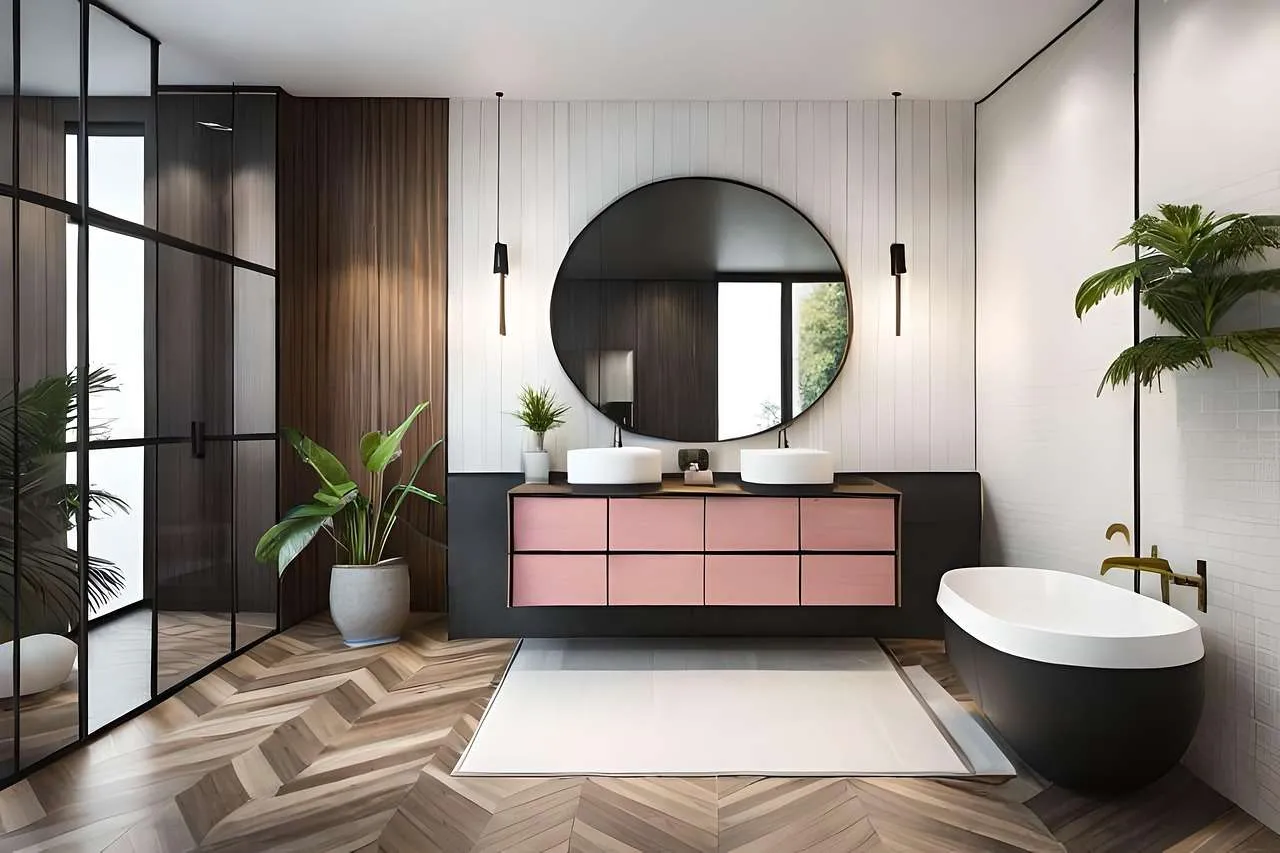
Adding greenery and natural textures promotes relaxation. Stone-look tiles and live plants help balance compactness with serenity.
Classic Elegance
Timeless fixtures like chrome faucets and beadboard paneling bring sophistication to traditional homes without demanding large space.
Half Bathroom Placement Ideas
The location of a half bath is key for convenience. Homeowners typically look for accessible yet discreet areas:
- Near common areas such as living or dining rooms
- Adjacent to entryways or mudrooms
- Under staircases in multi-level homes
- Between kitchen and hallway for guest use
Strategic placement keeps traffic flow smooth while ensuring privacy. Soundproofing walls or adding insulation around plumbing guarantees discretion.
Decor and Accessory Choices
Adding final touches transforms a small functional space into a charming interior corner. Decor elements include:
- Mirrors: Oversized or uniquely shaped mirrors expand visual depth.
- Artwork: A single framed piece adds personality without clutter.
- Towels and accessories: Matching colors and textures create harmony.
- Lighting fixtures: Decorative sconces double as aesthetic features.
Consistency in design theme ensures that even a minimalist half bathroom appears polished and complete.
Cost Considerations for Building a Half Bathroom
Creating or remodeling a half bath involves material, labor, and installation costs. On average, homeowners spend between $3,000 and $7,000 depending on design complexity and finishes. Key cost factors include plumbing requirements, fixture quality, flooring type, and lighting installation. Saving space through efficient design may reduce material costs while improving usability.
Half Bathroom Ideas for Different Home Types
For Small Apartments
Compact layouts are essential, often integrating corner sinks and mirrored cabinets. Space-saving designs lighten cramped apartments and add value.
For Family Homes
Larger homes benefit from half baths near living areas for easy guest access. A comfortable design with full-sized fixtures improves daily convenience.
For Luxury Homes
Upscale residences favor designer fixtures, premium materials, and creative lighting. Even with standard half bathroom size, details like marble finishes and metallic accents deliver elegance.
Maintenance Tips for Half Bathrooms
Though smaller spaces are easier to clean, routine maintenance ensures longevity:
- Regularly wipe down mirrors and fixtures to prevent watermarks.
- Use gently formulated cleaning products to preserve surface finishes.
- Inspect plumbing for leaks to avoid moisture damage.
- Keep clutter minimized with organized storage solutions.
Consistent upkeep keeps the half bathroom looking fresh and inviting for guests year-round.
Half Bathroom Trends
Current trends emphasize sustainability and minimalist aesthetics. Water-saving fixtures, LED lighting, and eco-friendly materials are becoming standard choices. Matte black hardware and geometric tile designs add bold personality without overwhelming limited wall space.
Tech integration also plays a role—automatic faucets and motion-sensor lighting improve convenience and reduce energy consumption. Such contemporary upgrades elevate usability and style simultaneously.
Final Thoughts on Half Bathroom Size
Choosing the right half bathroom size depends on available space, functionality, and the home’s overall design theme. While minimum dimensions start at about 18 square feet, expanding slightly enhances flexibility and comfort. Proper planning, space-saving fixtures, and thoughtful lighting transform even a compact powder room into a sophisticated home feature.
Whether you're designing from scratch or remodeling, consider usability before aesthetics—form follows function. Balance proportions, adhere to codes, and add decorative character to create a half bath that complements your home beautifully. Through smart design strategies, your half bathroom can become one of the most efficient, charming spaces in the entire house.