Understanding the challenge of small bathrooms
Small bathroom ideas must address two realities: limited floor area and high moisture exposure. The objective is to create a space that feels open, is easy to clean, and functions well for everyday use. By combining layout, storage, and finishes, you can transform a tight bath into a comfortable, efficient room without sacrificing style.
Core design principles for compact baths
Key principles include maximizing vertical space, preserving clear sightlines, and choosing fixtures that fit the room without crowding it. Start with a simple grid plan that prioritizes the shower or tub, vanity, and toilet in a logical sequence. Remember to consider door swings or sliding doors, as a swinging door can steal precious inches in a small bath.
Illusion of space through color and lighting
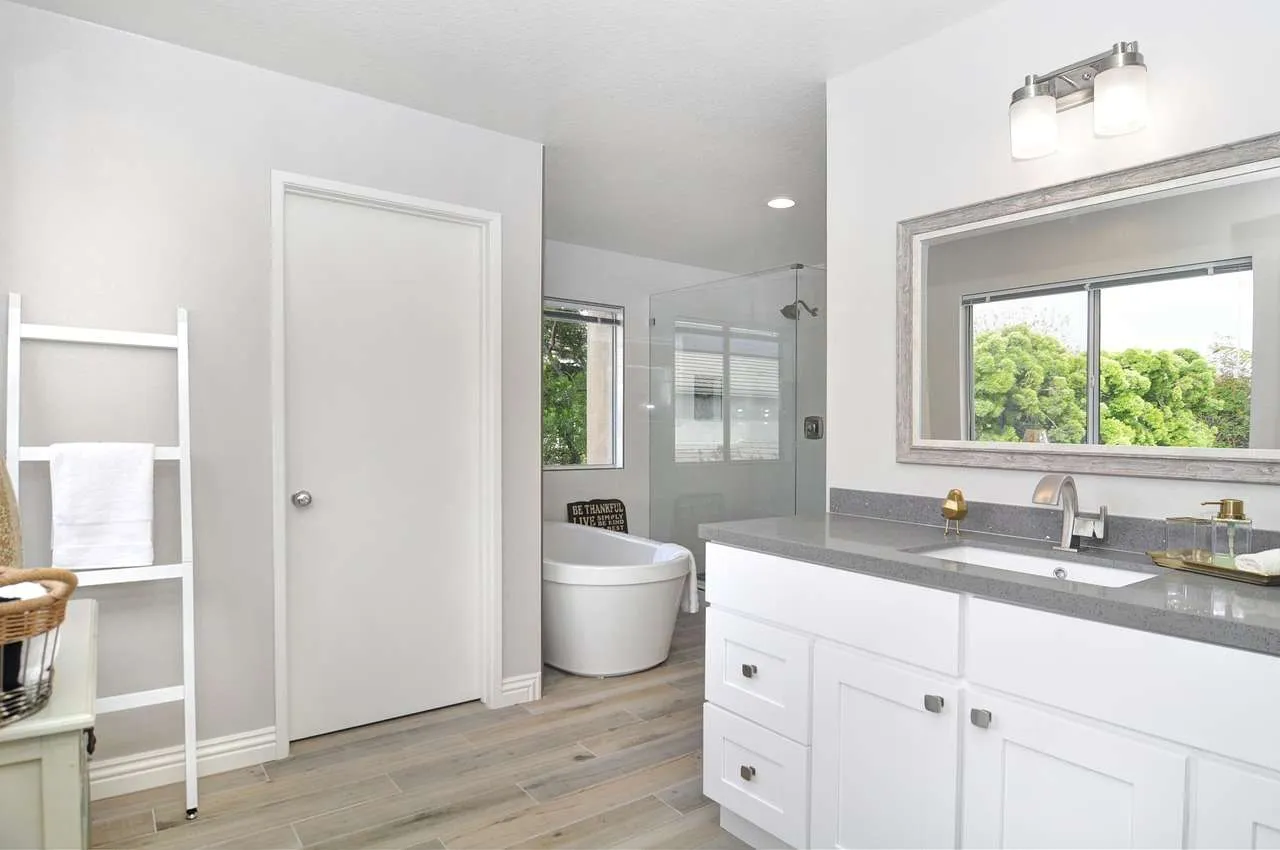
Light tones and reflective surfaces help tiny spaces feel larger. Use white or pale neutrals on walls and ceilings, paired with glossy tiles or mirrors that bounce light around the room. Proper lighting should combine ambient, task, and accent layers to eliminate shadows and create a sense of depth.
Storage strategies that free floor space
Storage is the backbone of small bathroom ideas. Favor wall-mounted cabinets, recessed niches, and tall, narrow storage units rather than bulky vanities. Over-toilet shelving or cabinets, built-in niches in the shower, and medicine cabinets with mirrors provide functional storage without encroaching on the floor.
Fixtures and finishes for tight spaces
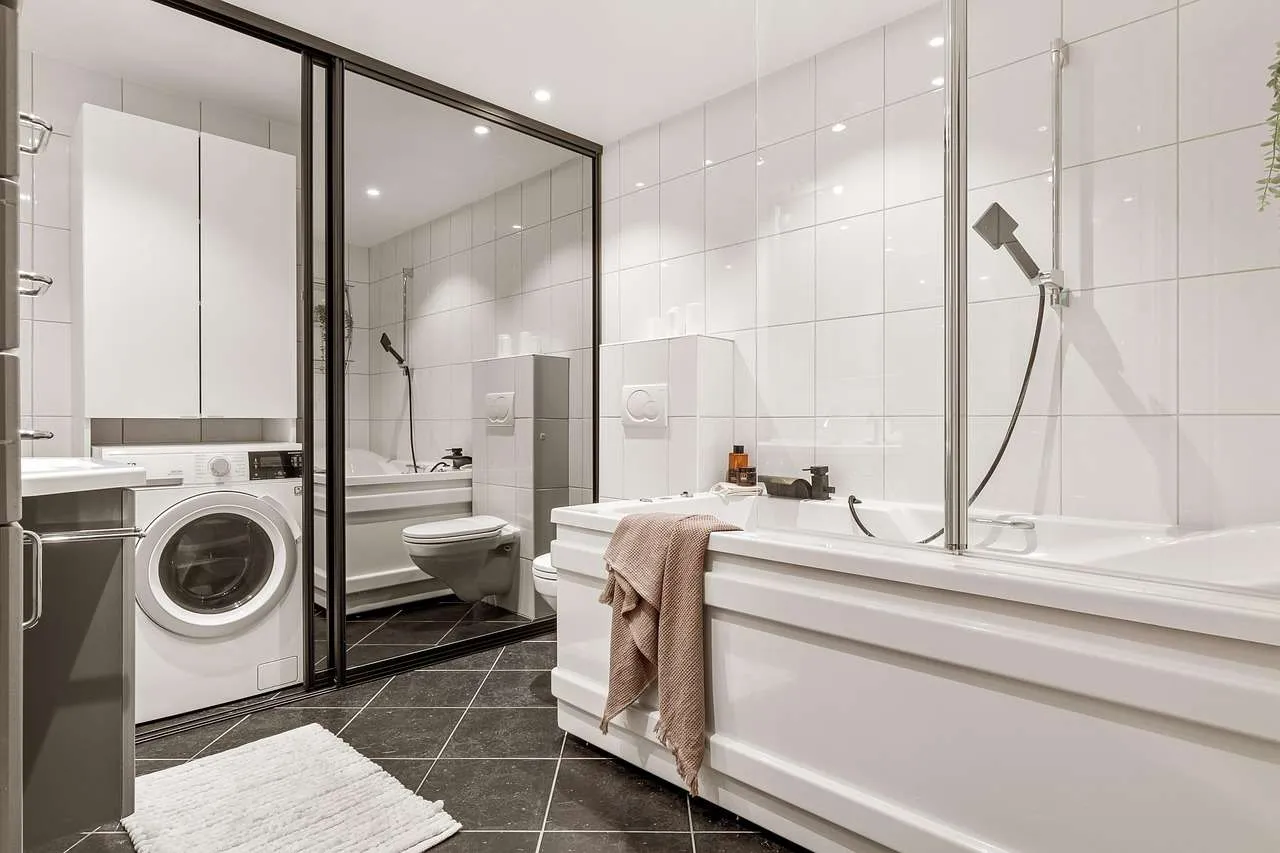
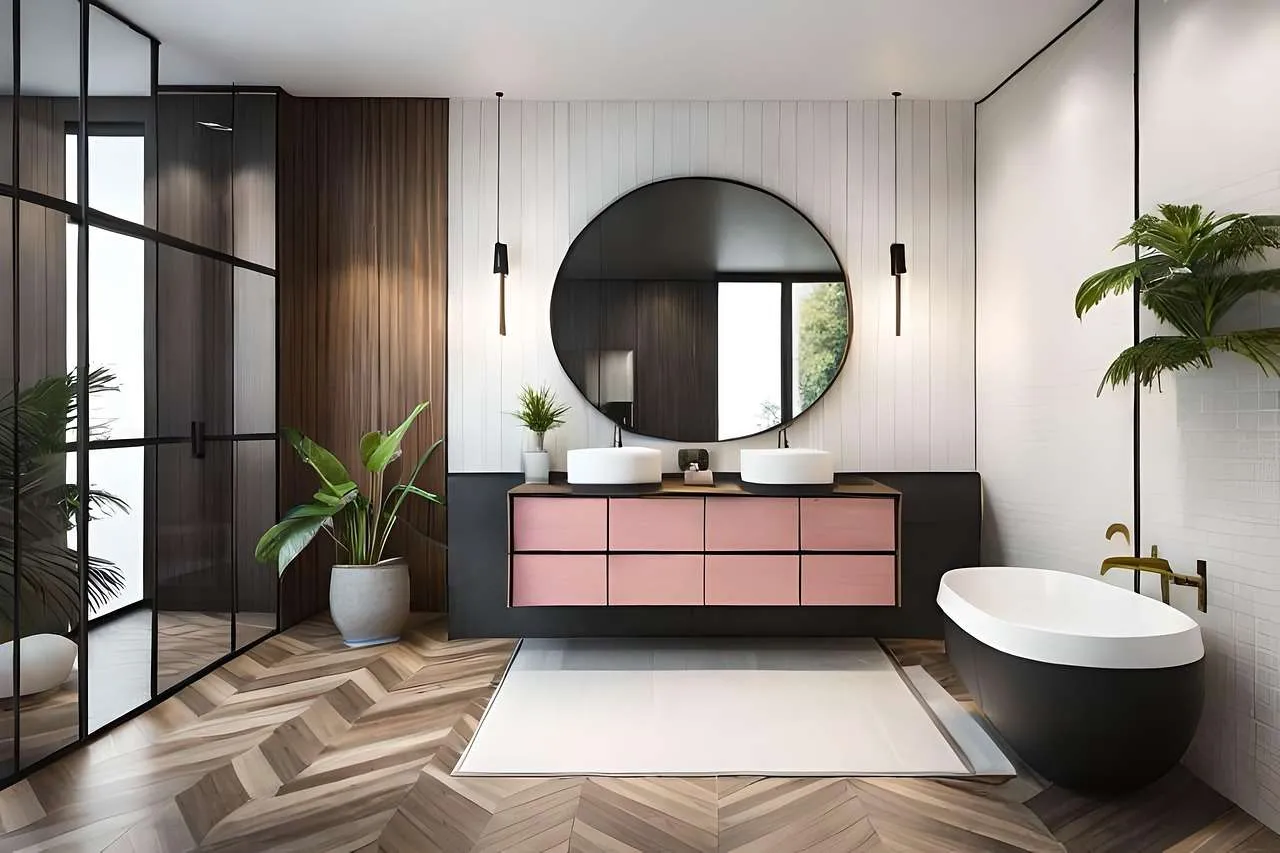
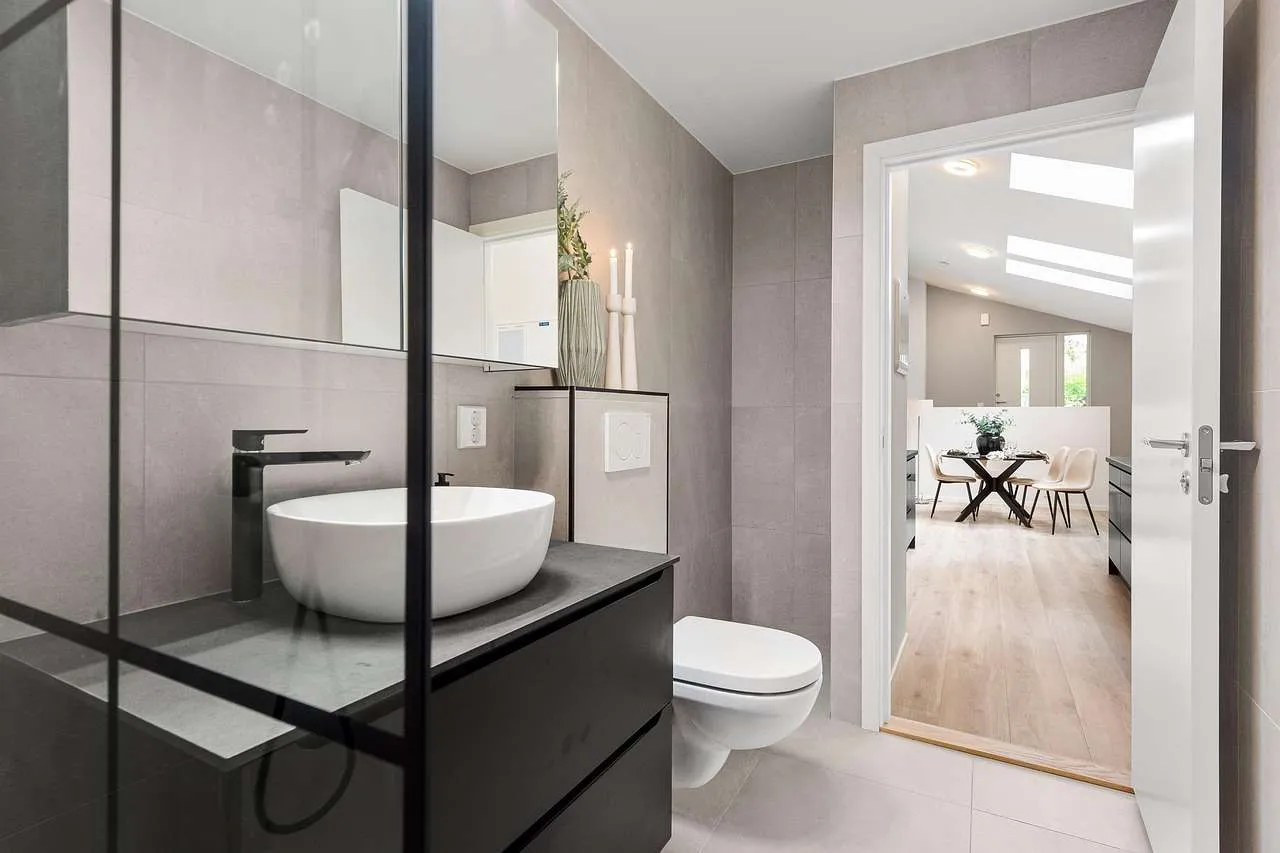
Choosing compact, well-designed fixtures maximizes usable area. Wall-mounted or floating vanities create air under the cabinet, making the room feel bigger. Consider a wall-hung toilet to gain floor clearance and ease cleaning. For showers, a corner or neo-angle configuration with a clear glass enclosure keeps sightlines open.
Vanities, toilets, and shower options
Compact vanities with shallow depth minimize intrusion. A pedestal sink or corner vanity can be a smart choice in very small baths. Wall-mounted toilets free up floor space and simplify maintenance. For showers, a frameless glass door or a fully enclosed corner unit reduces visual bulk while keeping the room functional.
Materials, moisture management, and maintenance
Durable, moisture-resistant materials are essential. Choose porcelain or ceramic tiles with matching grout to reduce cleaning friction. Waterproof wall panels or ceramic tile wainscoting protect walls without adding heavy material. A slip-resistant floor and a properly rated ventilation system prevent dampness and mold, extending the life of your small bathroom ideas.
Lighting, mirrors, and attention to detail
Strategic lighting transforms a compact bathroom. Use a combination of ceiling ambient light, task lighting around the mirror, and recessed lighting in the shower niche. Large mirrors or mirrored surfaces amplify light and create a sense of space. Finishes should be cohesive and easy to clean, with minimal grout lines and moisture-friendly sealants.
Budgeting, planning, and a quick-start plan
Begin with a clear plan and a realistic budget. Prioritize changes that deliver the most impact: a new compact vanity, improved lighting, and smart storage. If you must choose between new fixtures or finishes, opt for space-saving fixtures first, then upgrade finishes when possible. A phased approach can help manage costs and reduce disruption.
Comparison: vanity and shower options for small bathrooms
| Option | Pros | Cons | Best For |
|---|---|---|---|
| Wall-mounted vanity | Frees floor space; easy to clean; feels lighter | Limited storage; installation requires precise plumbing | Small baths with low ceilings or tight layouts |
| Floating vanity with drawers | More storage in compact depth; airy look | Can be pricey; depth still reduces floor area | Medium small baths with modern style |
| Corner or pedestal sink | Maximizes footprint; simple installation | Minimal storage; less counter space | Very small baths or powder rooms |
| Corner shower stall | Efficient use of corner; glass keeps sightlines open | Limited tub alternative; may feel small | Shower-focused compact baths |
| Sliding door or pocket door | No door swing intrusion; improves flow | Complex installation; potential cost | Any small bath where door clearance is tight |
Implementation checklist and quick-start plan
1) Measure accurately and map traffic flow; 2) Choose a primary feature (vanity or shower) to anchor the space; 3) Pick a light color palette and matching finishes; 4) Install vertical storage and wall-mounted fixtures; 5) Add mirrors and strategic lighting to enhance perceived space. Following these steps helps you achieve practical small bathroom ideas that last.
Summary and practical tips: prioritize vertical storage, prefer wall-mounted or corner fixtures, use light colors and mirrors to enlarge the feel, and ensure durable, moisture-ready finishes for longevity. A well-planned small bathroom ideas approach blends layout, storage, lighting, and materials into a cohesive, easy-to-maintain space.
Conclusion, with thoughtful layout, smart storage, and durable finishes, small bathroom ideas can yield a functional, stylish space that feels larger than its footprint. Focus on a strong anchor fixture, clean sightlines, layered lighting, and moisture-resilient materials to achieve lasting results that work day in and day out.